On better protection against crimes against humanity: Summary of the international conference “The Roots of Crimes Against Humanity” - Instytut Pileckiego

30.04.2026 (CZW)
On better protection against crimes against humanity: Summary of the international conference “The Roots of Crimes Against Humanity”
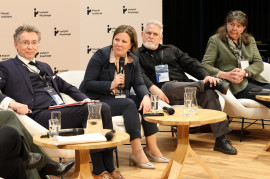
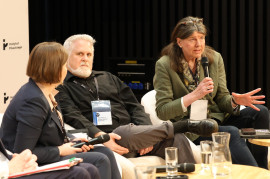
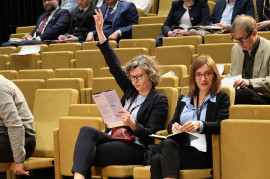
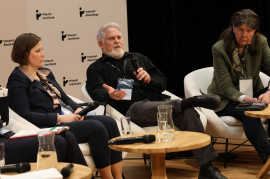
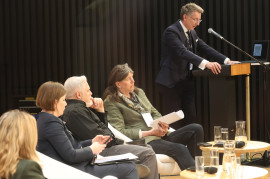
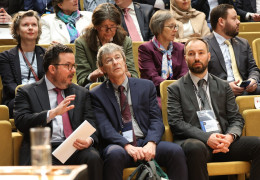
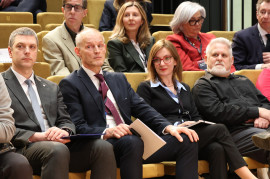
The international conference “The Roots of Crimes Against Humanity: Bridging the Normative Gap” successfully concluded at the Pilecki Institute in Warsaw. Organized on the 20th and 21st of April 2026, in cooperation with the Polish Ministry of Foreign Affairs, the event aimed to provide historical and academic foundations for the first-ever United Nations Convention on the Prevention and Punishment of Crimes Against Humanity.

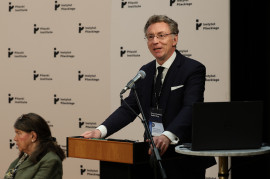
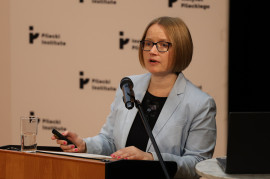
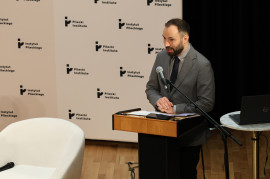
The conference’s location at the Pilecki Institute is deeply symbolic. Karol Madaj, Acting Director of the Pilecki Institute, highlighted how the life of the Institute’s patron informs its current diplomatic and academic mission.
“I firmly believe that it is the Pilecki Institute’s obligation to take an active role in the regional preparations for the adoption of the Convention on the Prevention and Punishment of Crimes Against Humanity, bearing in mind the life and legacy of our patron. I am extremely honored and delighted that the Institute has been able to organize this conference in cooperation with the Polish Ministry of Foreign Affairs. Our cooperation is important for two reasons.


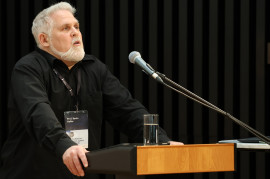
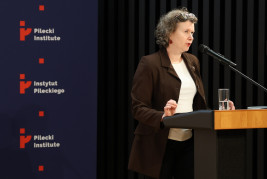
The proceedings on April 20 focused on the historical evolution of legal concepts. Following an opening ceremony, Prof. Guénaël Mettraux delivered a keynote lecture on the origins of the concept of crimes against humanity.

“While genocide and war crimes are clearly regulated under international law, crimes against humanity still lack a comprehensive, binding global convention. This absence has tangible consequences. The legal framework remains fragmented, relying on customary law, differing national systems and international tribunals created on a case-by-case basis. As a result, justice is too often selective and incomplete. Cooperation between states is more difficult than it should be. And crucially, we still lack effective tools to prevent these crimes. A dedicated convention would provide clarity, consistency and predictability. These are essential not only for accountability, but also for prevention” – Zajączkowski explained.
The importance of Warsaw’s conference
The first day’s discussions served as a bridge between historical analysis and modern treaty negotiations. Ambassador Franz Perrez, Director General of the Directorate of Public International Law of the Swiss Federal Department of Foreign Affairs, underscored the importance of the conference’s timing - just days before the April 30 deadline for Member States to submit official observations to the UN.
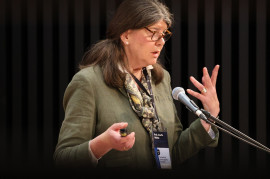
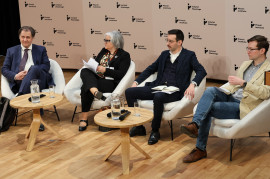
The second day of the conference was dedicated to the evaluation of the legal protection of vulnerable groups and the strategic requirements for the proposed international treaty. The morning schedule began with a panel on “Targeted groups,” focusing on victimization in historic trials, as well as children and women as specific targets of crimes against humanity. The second panel, “Different faces of the crime against humanity,” examined the legal and historical dimensions of slavery, forced labor, deportations, and persecutions, including a historical perspective on colonial Africa.
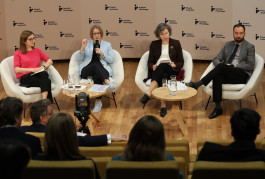
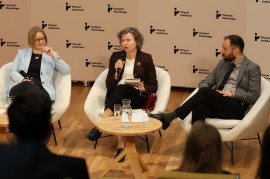
The afternoon sessions addressed the “Consequences of the crime against humanity,” specifically the reshaping of police trials and the crucial issue of reparations for victims. The event culminated in a high-level panel dedicated to establishing robust global standards. Titled “Towards the new Convention,” it featured Ambassador Franz Perrez and Paweł Wierdak, Legal Advisor to the Polish Ministry of Foreign Affairs. Discussing how to mitigate the risk of a weak treaty, Wierdak and Perrez agreed that the threat of a vote is a tool for better consensus.
“It doesn’t make sense to strive for consensus with someone who just doesn’t share the same objective (…) the only way to seriously be able to strive for consensus is by being clear: if you do not honestly try to find a solution, then we are going to vote” – said Franz Perrez.
The conference was the initiative of Prof. Patrycja Grzebyk, who led its development.
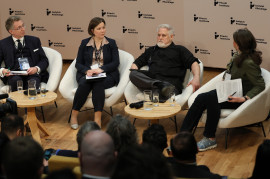
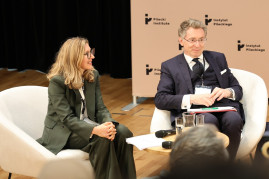
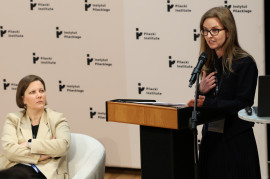
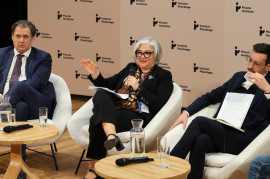
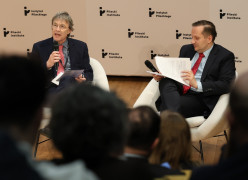
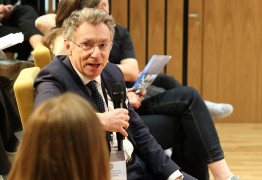
A video footage from the live stream (both days) is also available:
Day 1
Day 2
Photos by Karolina Szatkowska, Pilecki Institute.
Zobacz także
- Konferencja „Laboratoria innowacji. AI w archiwach” | Fotorelacja
Aktualności
Konferencja „Laboratoria innowacji. AI w archiwach” | Fotorelacja
30 września 2026 roku – w Dniu Archiwisty – w warszawskiej siedzibie Instytutu Pileckiego przy ul. Siennej 82 odbyła się ogólnopolska konferencja naukowa „Laboratoria innowacji. AI w archiwach”.
- Jubileusz 10-lecia Muzeum Dom Rodziny Pileckich w Ostrowi Mazowieckiej
Aktualności
Jubileusz 10-lecia Muzeum Dom Rodziny Pileckich w Ostrowi Mazowieckiej
8 października w ogrodzie Muzeum Dom Rodziny Pileckich w Ostrowi Mazowieckiej odbyło się wyjątkowe wydarzenie – jubileusz 10-lecia działalności instytucji.
- Festiwal „Wolskie Ostańce”
Aktualności
Festiwal „Wolskie Ostańce”
Co zostaje z miasta, które nieustannie się zmienia? Co trwa mimo wyburzeń, nowych inwestycji i zacierania śladów pamięci? I kim są współcześni „ostańcy”? Festiwal „Wolskie Ostańce” to wielowymiarowe wydarzenie poświęcone relacji między miastem, pamięcią i ludźmi.
- Reportaż Instytutu Pileckiego wyróżniony na 18. Międzynarodowym Festiwalu Filmowym NNW
Aktualności
Reportaż Instytutu Pileckiego wyróżniony na 18. Międzynarodowym Festiwalu Filmowym NNW
Dokument „Jedna wskazówka” o Obławie Augustowskiej, autorstwa Martyny Wojtkowskiej z Instytutu Pileckiego, otrzymał pierwsze wyróżnienie podczas 18. Międzynarodowego Festiwalu Filmowego NNW w Gdyni.
- „Spotkanie z Patronem” w Muzeum Dom Rodziny Pileckich w Ostrowi Mazowieckiej
Aktualności
„Spotkanie z Patronem” w Muzeum Dom Rodziny Pileckich w Ostrowi Mazowieckiej
6 października pracownicy Instytutu Pileckiego brali udział w „Spotkaniu z Patronem” organizowanym przez Muzeum Dom Rodziny Pileckich w Ostrowi Mazowieckiej.
- „Świadek” – Seweryna Szmaglewska w drugim odcinku „Sali 600” | Przedpremierowy odsłuch na dachu Instytutu Pileckiego
Aktualności
„Świadek” – Seweryna Szmaglewska w drugim odcinku „Sali 600” | Przedpremierowy odsłuch na dachu Instytutu Pileckiego
1 października na dachu Instytutu Pileckiego odbył się przedpremierowy odsłuch drugiego odcinka audioserialu „Sala 600. Świadkowie Norymbergi”, poświęconego Sewerynie Szmaglewskiej – pisarce, byłej więźniarce Auschwitz-Birkenau i świadkowi przed Międzynarodowym Trybunałem Wojskowym w Norymberdze. Spotkanie zorganizowano w związku z 80. rocznicą zakończenia głównego procesu norymberskiego.
- Dlaczego okupacja Polski pozostaje w Niemczech tematem nieobecnym? | Relacja z ósmego spotkania cyklu „Berlin w Warszawie”
Aktualności
Dlaczego okupacja Polski pozostaje w Niemczech tematem nieobecnym? | Relacja z ósmego spotkania cyklu „Berlin w Warszawie”
24 września w Instytucie Pileckiego odbyło się ósme spotkanie z udziałem polskich i niemieckich ekspertów, zorganizowane w ramach cyklu „Berlin w Warszawie”. Tematem rozmowy była pamięć o Powstaniu Warszawskim w niemieckiej kulturze pamięci.
- Niepublikowane wcześniej niemieckie archiwalia z francuskiego ECPAD w Instytucie Pileckiego i Muzeum Powstania Warszawskiego
Aktualności
Niepublikowane wcześniej niemieckie archiwalia z francuskiego ECPAD w Instytucie Pileckiego i Muzeum Powstania Warszawskiego
Instytut Solidarności i Męstwa im. Witolda Pileckiego oraz Muzeum Powstania Warszawskiego podpisały strategiczne, trójstronne porozumienie o współpracy z francuskim wojskowym archiwum audiowizualnym ECPAD (Établissement de Communication et de Production Audiovisuelle de la Défense/ Centrum Komunikacji i Produkcji Audiowizualnej Departamentu Obrony) z siedzibą w Ivry-sur-Seine we Francji. Porozumienie udostępnia polskim instytucjom unikalne, dotąd nieznane w Polsce fotografie z czasów II wojny światowej, otwiera dostęp do ogromnych zasobów francuskiego archiwum i rozpoczyna współpracę o dużym znaczeniu dla badań nad polską historią.
- Michał Kosiorek objął stanowisko Zastępcy Dyrektora ds. Historii w Przestrzeni Publicznej
Aktualności
Michał Kosiorek objął stanowisko Zastępcy Dyrektora ds. Historii w Przestrzeni Publicznej
Nowy dyrektor będzie sprawował nadzór nad Działem Wystaw, Działem Historii Mówionej i Produkcji Filmowych, Działem Serwisów Streamingowych i Podcastów, Działem Edukacji, Działem Upamiętnień oraz Galerią Instytutu Pileckiego w Domu Bez Kantów.
- Cykl spotkań SZLAKI OCALENIA. ŚLADEM ODWAGI I BRATERSTWA
Aktualności
Cykl spotkań SZLAKI OCALENIA. ŚLADEM ODWAGI I BRATERSTWA
Cykl poświęcony osobom odznaczonym medalem Virtus et Fraternitas za to, że pomagały Polakom, stawały w ich obronie lub pielęgnowały pamięć o nich w najtrudniejszych momentach historii. Spotkaniom będą towarzyszyć koncerty muzyki klasycznej.
- „Rosja powraca do sowieckich narracji” – relacja z debaty o sowieckiej dezinformacji wokół 17 września 1939 roku
Aktualności
„Rosja powraca do sowieckich narracji” – relacja z debaty o sowieckiej dezinformacji wokół 17 września 1939 roku
W rocznicę sowieckiej agresji 17 września 1939 roku w Instytucie Pileckiego odbyła się debata ekspercka poświęcona mechanizmom propagandowym towarzyszącym zbrojnej napaści Związku Sowieckiego na Polskę oraz ich współczesnym kontynuacjom w polityce Federacji Rosyjskiej.
- Złożenie kwiatów pod pomnikiem Witolda Pileckiego na warszawskim Żoliborzu
Aktualności
Złożenie kwiatów pod pomnikiem Witolda Pileckiego na warszawskim Żoliborzu
W 86. rocznicę wydarzeń, podczas których Witold Pilecki celowo dał się schwytać w łapance na warszawskim Żoliborzu, z zamiarem przedostania się do niemieckiego obozu koncentracyjnego Auschwitz, złożono kwiaty pod jego pomnikiem, blisko miejsca łapanki.