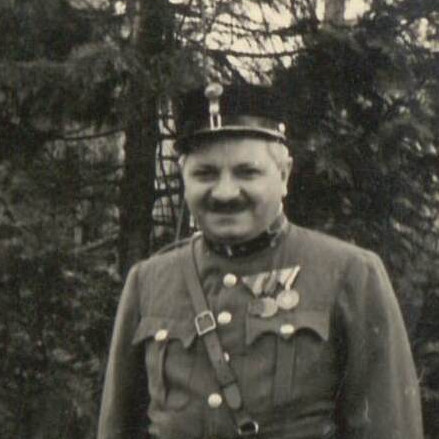
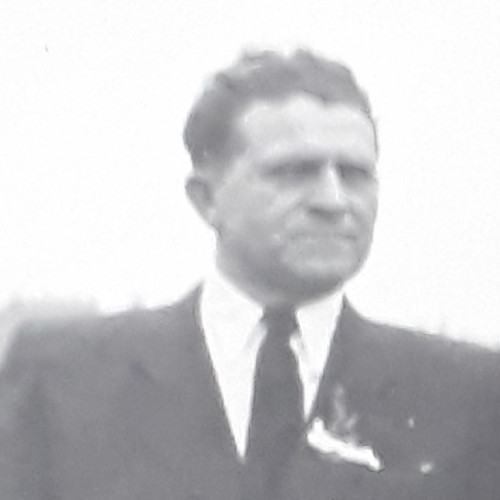
Anatolij Giergiel (1904—1981) - Instytut Pileckiego
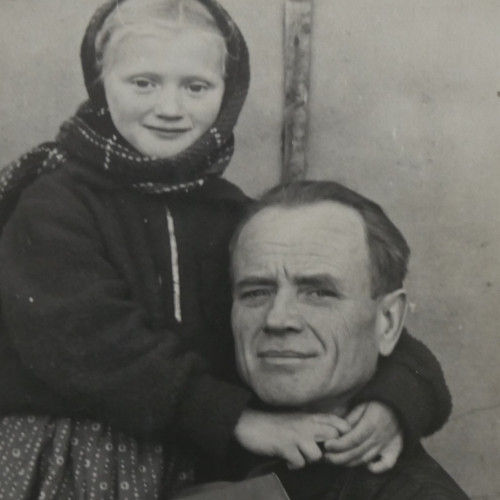
In the summer of 1943 in Volhynia, having learned about a planned attack by Ukrainian nationalists on Poles, Anatolyi Giergiel warned his friend.
From the beginning of the Second World War, after the USSR and Nazi Germany entered the Polish territories, occupation policies of both invaders were aimed at dividing and antagonizing the citizens of the Second Polish Republic, especially in the Eastern Borderlands, where Poles, Ukrainians, Belarussians and Jews lived side by side. In the summer of 1943 in Volhynia, a systematic ethnic cleansing operation involving mass murder of Poles was carried out by the units of the OUN/UPA with the help of the local Ukrainian population. In the village of Marcelówka near Volodymyr-Volynskyi, a longstanding neighborly bond between the Polish Zaremba family and the Ukrainian Giergiel family prevailed over the deliberately fostered antagonisms dividing the nations.
Having learned about a planned attack by Ukrainian nationalists on Poles, Anatolyi Giergiel warned his friend, Władysław Zaremba, who then managed to alert the rest of the village. As a result, the Zaremba family and other Polish inhabitants of Marcelówka escaped violent death.
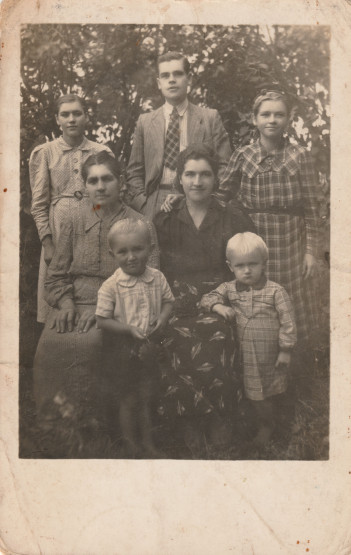
Zinaida Giergiel suspected that after being chased out of their homes and suffering from hunger, the Poles would attempt to return to their farms. For several days she kept watch in case their neighbors appeared. She was able to warn Rozalia Zaremba that a unit of the OUN/UPA was waiting for them in the house, and consequently saved the Zaremba family from death for the second time.
fot. Anatolij Giergiel / Tamara Handyi’s family collection
See also
- Jenő Etter (1889–1973)

awarded
Jenő Etter (1889–1973)
The mayor of the Hungarian city of Esztergom received dozens of letters written in Polish. The greeting lines themselves showed the sympathy and gratefulness of the Polish refugees: “Dear Captain!”, “Dear Doctor!”. Jenő Etter understood them all.
- Jozef Lach (1905–1993)
awarded
Jozef Lach (1905–1993)
One night in October 1939, four men knocked on the door of Jozef and Žofia Lach’s home in Poprad, Slovakia. They came from the nearby Tatra Mountains, from occupied Poland.
- Władysława Nagórka z d. Lech (1895—1981)
awarded
Władysława Nagórka z d. Lech (1895—1981)
Antoni and Władysława Nagórka lived at the edge of the town. Before the war, Antoni worked for the railways, and Władysława was a housewife. During the war they saved five Jews from the Holocaust.