Virtus et Franternitas Medals presented - Instytut Pileckiego

22.06.2022 (Wed)
Virtus et Franternitas Medals presented
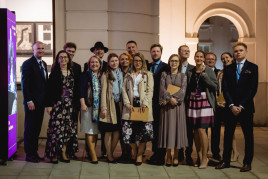
The third edition of the Virtus et Fraternitas Medal Gala took place on 15 June 2022. This time, at the request of the Director of the Pilecki Institute, the President of the Republic of Poland bestowed medals on a total of 23 people.
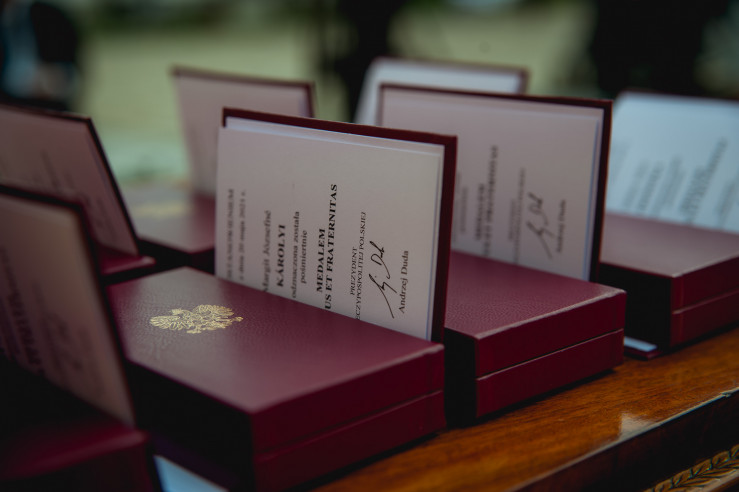
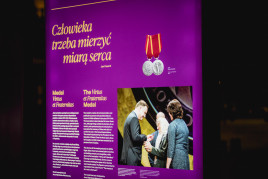
The Virtus et Fraternitas Medal is awarded by the President of the Republic of Poland as a symbol of remembrance and gratitude to those who distinguished themselves in aiding Poles and nurturing the memory of Polish victims of the totalitarian systems of the 20th century.
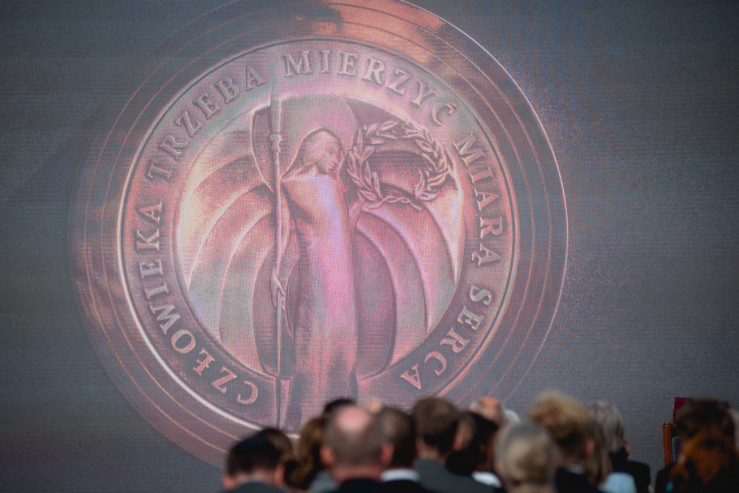
The great value of this award is in its ability to unite symbolically very disparate people – distinguished diplomats and politicians of the highest level as well as people who are publically unknown. All those who were awarded the Virtus et Fraternitas Medal decided to help in accordance with the words of the late John Paul II:
The measure of a man is his heart.
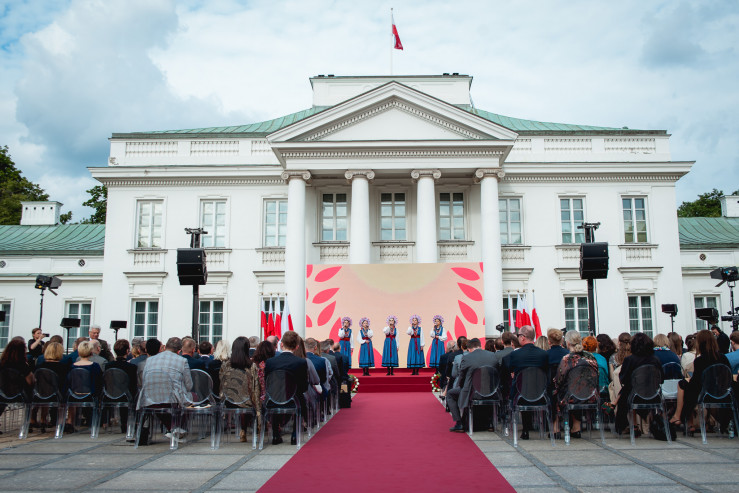
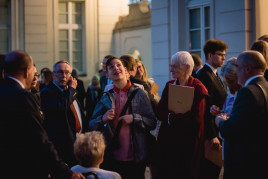
The ceremony took place in the courtyard of the Belweder Palace. All attendees were greeted by the Polish-Ukrainian vocal group Zazula, which performed a medley of folk songs (“Narodzie nasz piękny” [“Our beautiful nation”], “Cicho nad rzeką” [“Silently on the riverside”], and “Kare konie” [“Black horses”]).
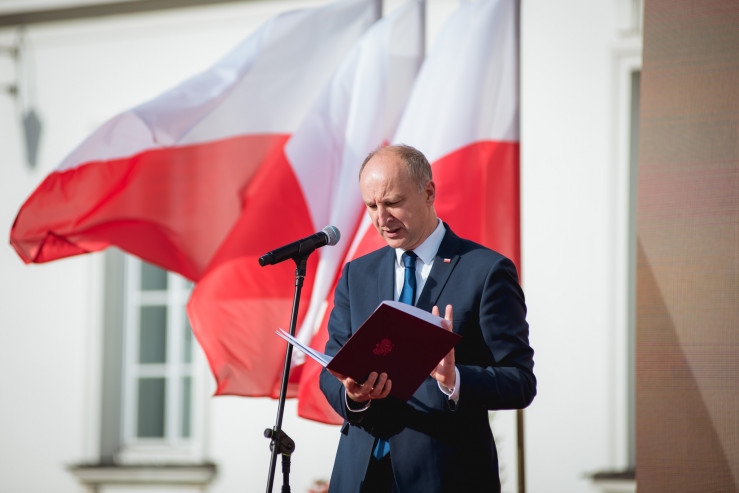
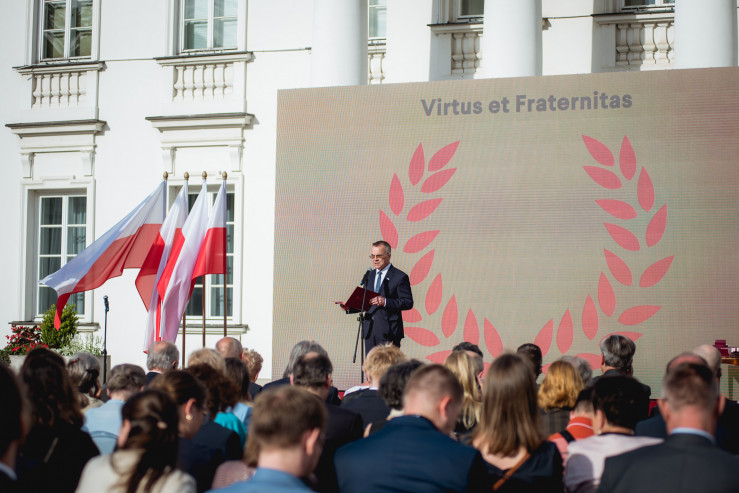
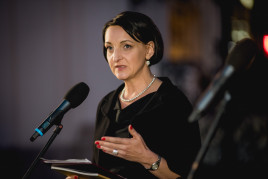
The first to speak was a representative of the Chancellery of the President of the Republic of Poland, Undersecretary of State Wojciech Kolarski, who read a letter from President Andrzej Duda addressed to the recipients of the Virtus et Fraternitas Medal and their families, as well as to the representatives and descendants of the survivors.
Next, Prof. Arkady Rzegocki, Head of the Foreign Service at the Ministry of Foreign Affairs, read a letter from Prime Minister Mateusz Morawiecki.
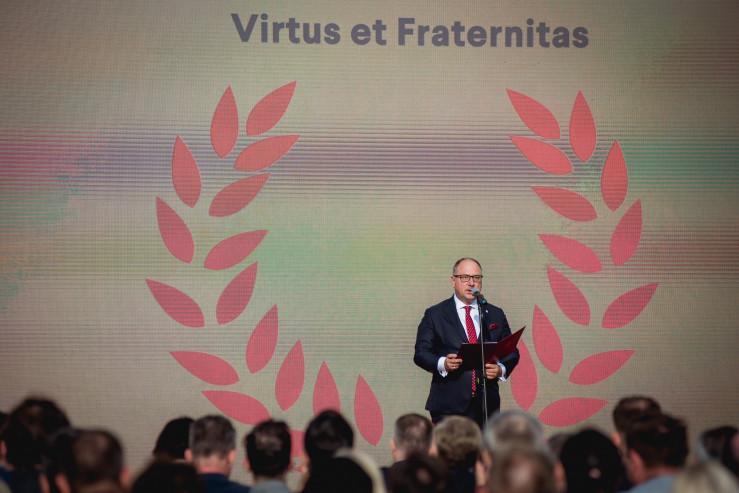
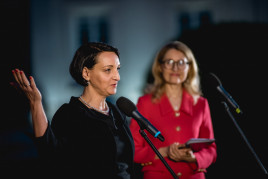
Afterwards, Professor Magdalena Gawin, director of the Pilecki Institute, read out a letter from the Speaker of the Polish Sejm Elżbieta Witek.
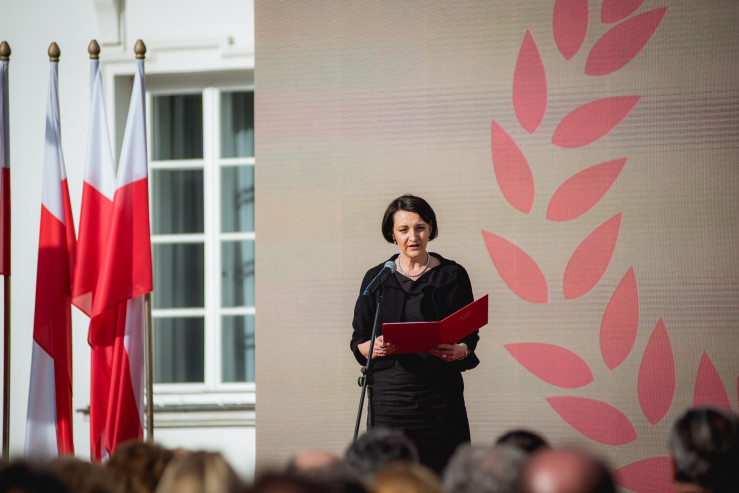
Next, the Deputy Minister of Culture and National Heritage Jarosław Sellin read out a letter from the Deputy Prime Minister and Minister of Culture and National Heritage Prof. Piotr Gliński.
Medal recipients
Jeanine Humbert née Hermann (born 1934)
She provided assistance to Polish prisoners of war who escaped from the German Ursprung camp in 1944. Jeanine Humbert received the medal in person.
Kateryna (1909–2000) and Fedor (1905–1974) Boymistruk
A Ukrainian husband and wife who rescued two-year-old Hanna Muszyd from death during the Volhynia Massacre. The medal was received by their granddaughter.
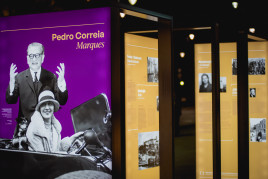
Pedro Correia Marques (1890–1972)
A Portuguese journalist who called on the international community to provide humanitarian aid to Poles under German and Soviet occupation (especially during the Warsaw Uprising). The medal was received by Pedro Correia Marques’s grandson.
Rosalie Eugénie Fogel née Gorius (1919–2007) and Léon Humbert (1900–1969)
They helped Polish prisoners of war escape from the Ursprung camp and then hid them at the Gorius family’s farm. The medal was received by Jeanine Humbert, Gorius’ granddaughter and Leon’s niece.
Janet (1888–1945) and Peter (1884–1950) Fraser
They organized care for 733 Polish children who were in Iran in 1943. The medal was received by the couple’s great-great-grandson.
Elna Gistedt-Kiltynowicz (1895–1982)
A Swedish actress who remained in Poland after the outbreak of the Second World War and provided assistance to artists. Illegal concerts for Polish children were held at her café on Nowy Świat Street in Warsaw. The medal was received by a relative of the actress.
Józsefné Margit Károlyi (1892–1964)
A Hungarian countess involved in helping Polish refugees in September 1939 as part of the Hungarian-Polish Refugee Welfare Committee. The medal was received by the countess’s grandson.
Ján Klinovský (1905–1944)
A Slovak politician who provided assistance to Poles during the Second World War (e.g. by forwarding correspondence and organizing the smuggling of Polish citizens through Slovakia). The medal was received by Ján Klinovský’s niece.
Hélène Pionstka née Waldmann (1921–2009)
A Frenchwoman who helped Polish prisoners of war escaping from the German Ursprung camp. The medal was received by her daughter.
Aristides de Sousa Mendes do Amaral e Abranches (1885–1954)
A Portuguese diplomat who issued between 6,000 and 10,000 Portuguese visas (including to Polish Jews fleeing territories under German occupation) from May to July 1940. The medal was received by his grandson.
César de Sousa Mendes do Amaral e Abranches (1885–1955)
The Portuguese envoy to Poland. One of the few foreign diplomats who did not leave Warsaw in September 1939. He helped Cecylia Dolata, a Polish teacher, to escape from Poland. The medal was received by his son.
Paul Super (1880–1949)
The Director of the American Commission for Aid to Poles. He helped Polish soldiers to reach France and aided Polish refugees in Romania and Hungary. The medal was received by his great-grandson.
Mykhailo Susla (1901–1970)
A Ukrainian who helped the Świętojański family to escape during the Volhynia Massacre. The medal was received by his grandson Ruslan Susla.
Erzsébet (1902–1980) and Antal (1905–1972) Szápáry
Siblings from Hungary who supported Polish civilians crossing into Hungary during the Second World War as part of the Hungarian-Polish Refugee Welfare Committee. The medal was received by Antal’s son and Erzsébet’s niece.
Raymond Voegeli (1894–1980)
A French clergyman. One of the organizers of the escape of Polish prisoners of war from the German camp in Ursprung. He also gave them shelter and help. The medal was received by a representative of the Archbishop of Strasbourg.
Edith Weiss (1899–1967)
A member of the Hungarian-Polish Refugee Welfare Committee. She provided assistance to Jewish people, including Polish Jews, in Hungary and protected them from deportation. The medal was received by a relative of Edith Weiss.
Julien Bryan (1899–1974)
An American photographer and documentary filmmaker. He recorded crimes committed in Poland during the Second World War. The medal was received by a representative of the US Embassy in Poland.
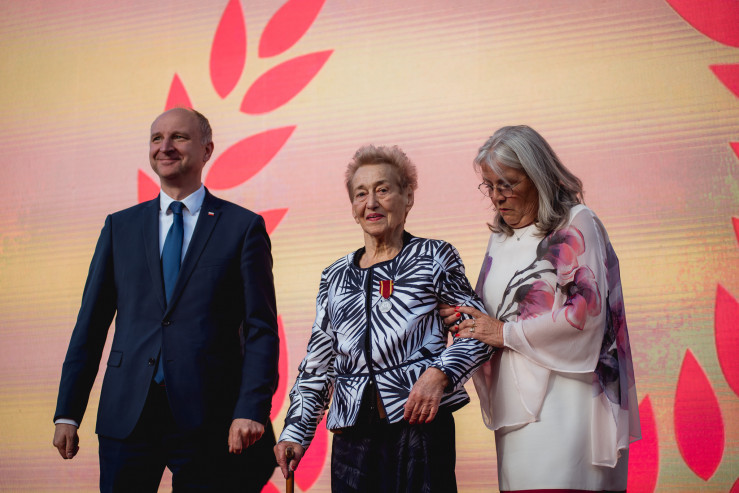
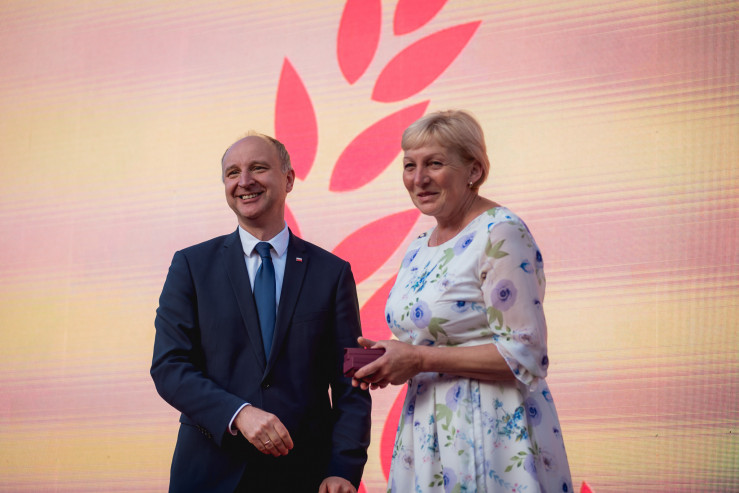
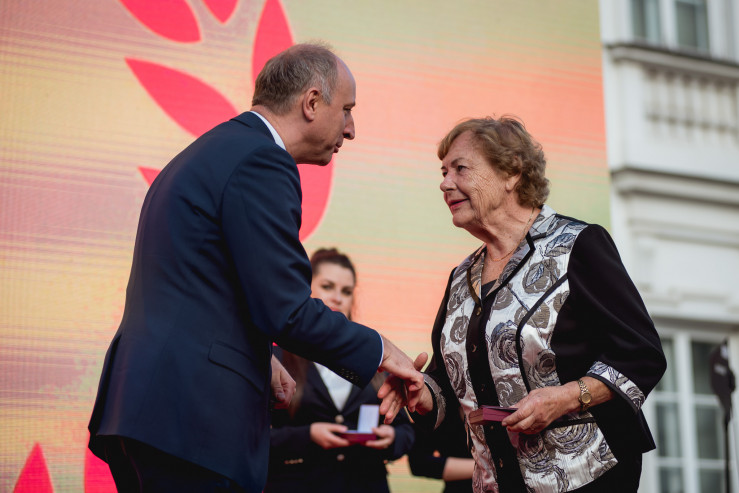
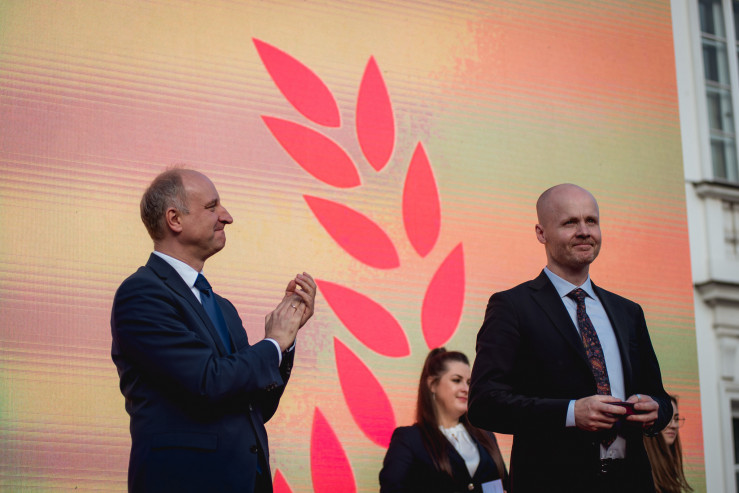
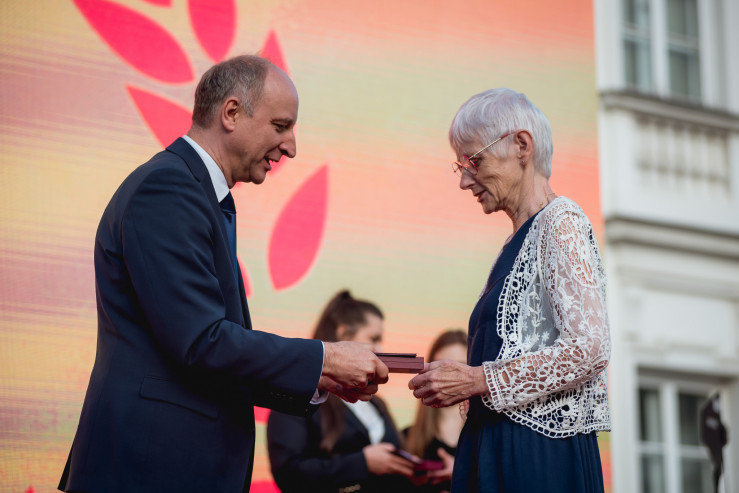
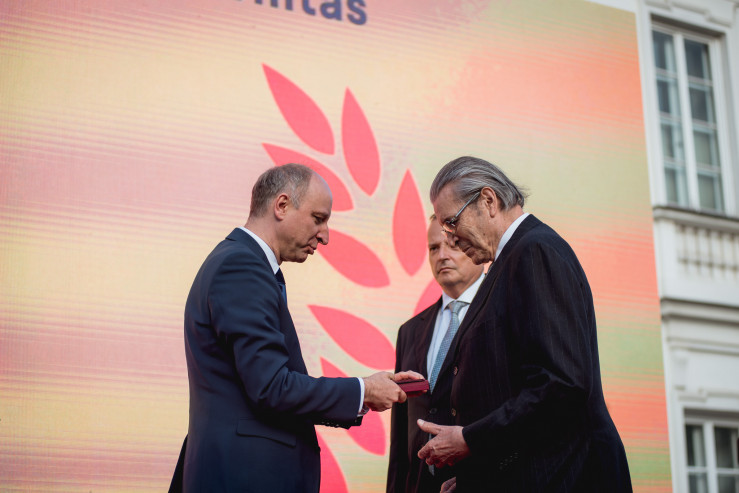
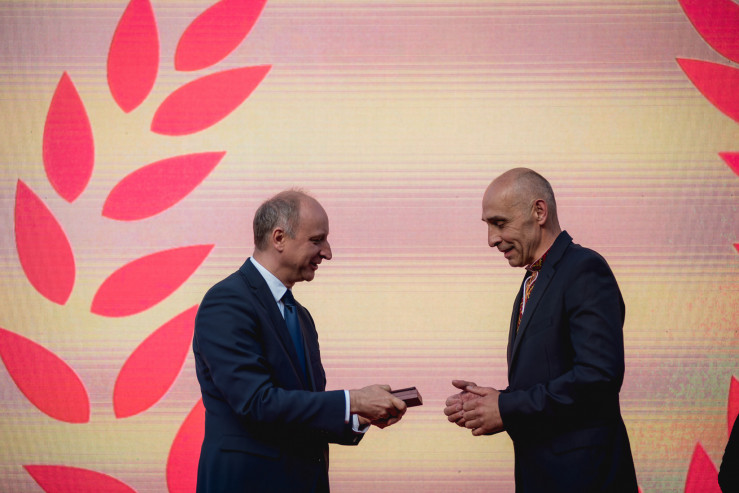
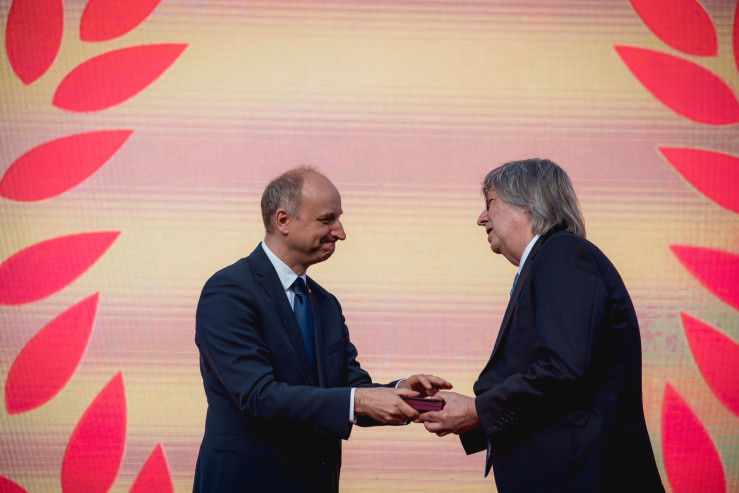
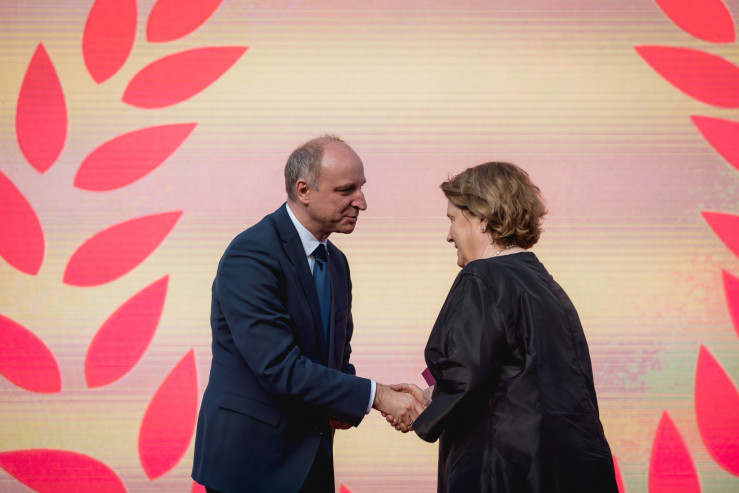
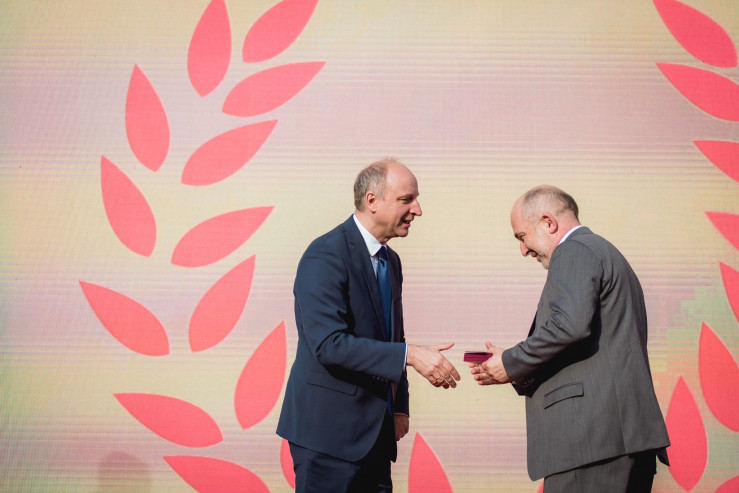
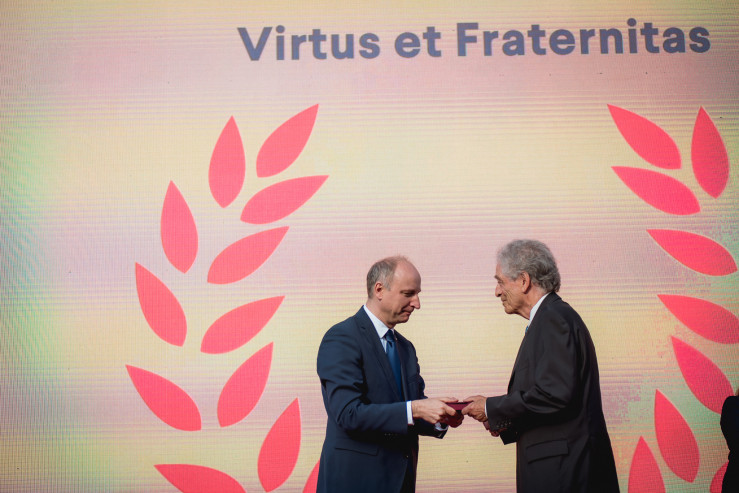
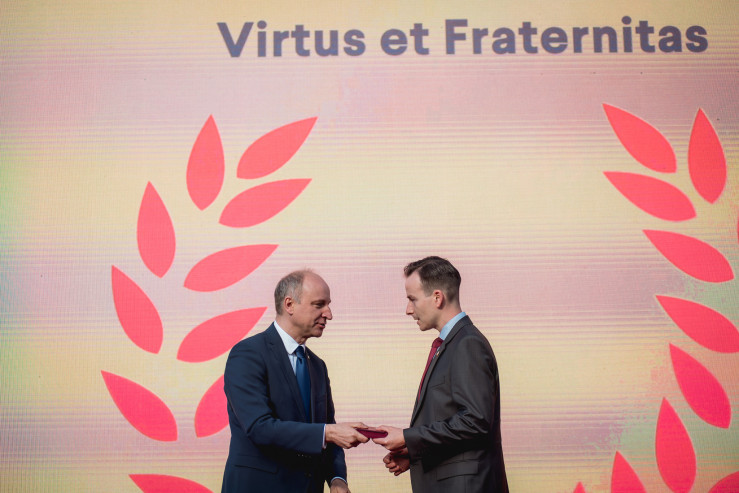
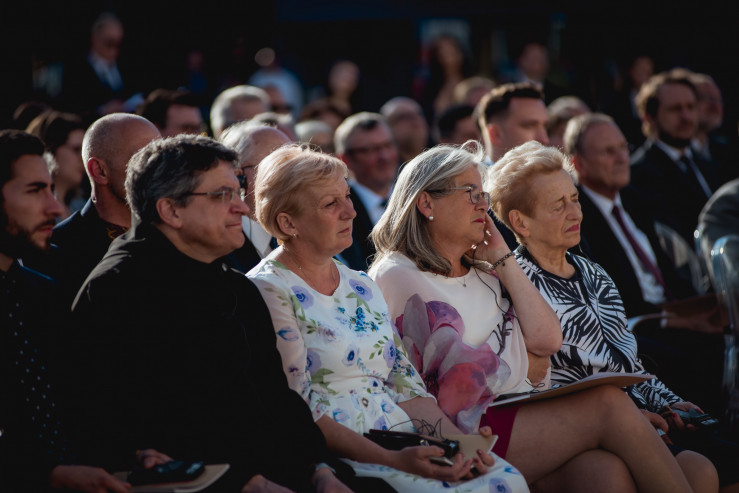
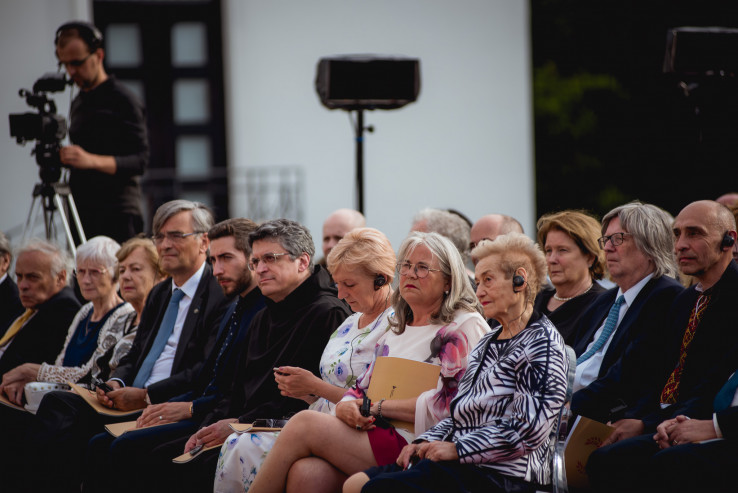
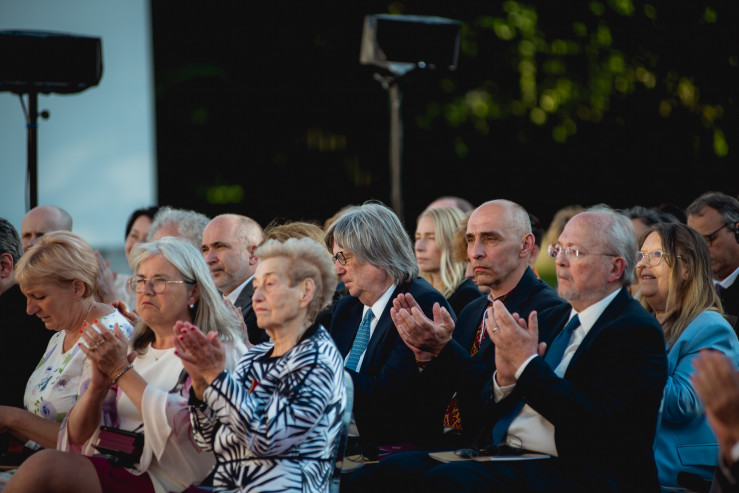
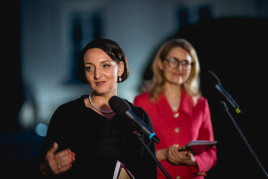
Following the presentation of the Virtus et Fraternitas Medals, Jeanine Humbert spoke on behalf of the recipients.
Stanisław Urbanik then spoke on behalf of the Polish survivors.
We also managed to establish an Internet connection with Hanna Muszyd, the survivor and foster daughter of the Boymistruks, and Julien Bryan’s son. Both of them gave an emotional expression of their gratitude.
Finally, Ruslan Susla, the grandson of Mykhailo Susla, spoke.
The official section of the gala was concluded with a performance by the Zazula vocal group.
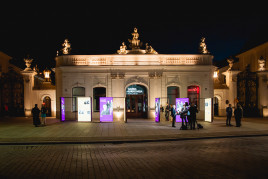
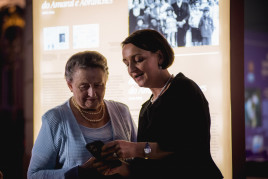
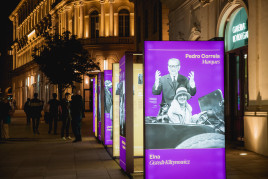
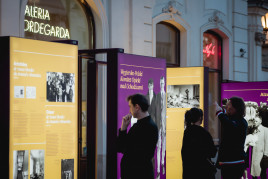
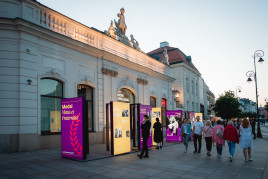
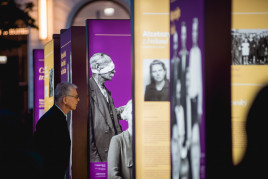
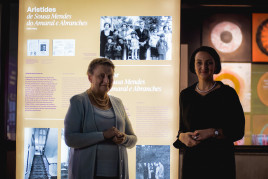
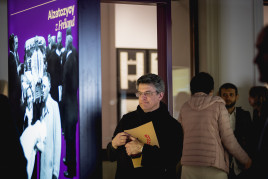
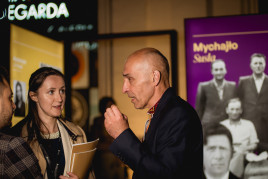
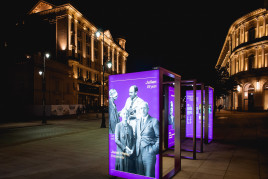
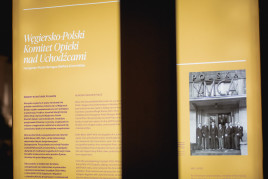
In the evening, the guests attended the opening of an exhibition devoted to the recipients of the Virtus et Fraternitas Medal. The exhibition is on display outside the Kordegarda Gallery until 5 July.
See also
- The hitherto unknown memoirs of a German official from occupied Poland have been donated to the Pilecki Institute
News
The hitherto unknown memoirs of a German official from occupied Poland have been donated to the Pilecki Institute
A unique document has been added to the Pilecki Institute’s archives: the previously unpublished and unknown memoirs of a German official who worked in the civil administration of the General Government during the Second World War.
- Evil Woven into Everyday Life | Dr Joanna Nikel on the Memoirs of a German Official from His Stay in the General Government
News
Evil Woven into Everyday Life | Dr Joanna Nikel on the Memoirs of a German Official from His Stay in the General Government
"It is rare for a document to find its way into archival collections in which the voice of an official of the occupation apparatus himself – written down without any intention of accusation, and even stressing his own sense of normality – becomes one of the most eloquent testimonies to the criminal nature of the system he served", writes Dr Joanna Nikel in her initial commentary on the materials received by the Pilecki Institute.
- 14 books nominated for this year’s Witold Pilecki International Book Award
News
14 books nominated for this year’s Witold Pilecki International Book Award
On Saturday, 5 September, at the Autumn Book Fair in Warsaw, the Pilecki Institute announced the titles and authors of 14 books nominated for this year’s Witold Pilecki International Book Award.
- New Jork | Exhibition: Between Life and Death. Stories of Rescue during the Holocaust
News
New Jork | Exhibition: Between Life and Death. Stories of Rescue during the Holocaust
Through October 29, the Pilecki Institute in New York is hosting an exhibition about the people who risked their own lives to save Jews during the Holocaust—and those who survived thanks to their courage.
- „Soviet Central Asia as a Totalitarian Testing Ground” - international academic conference
News
„Soviet Central Asia as a Totalitarian Testing Ground” - international academic conference
The international academic conference organized by the Pilecki Institute is the first initiative in Poland to bring together interdisciplinary research on Soviet Central Asia, a region with an exceptionally complex history of totalitarianism, mass repression, and forced deportations, that also include the experiences of Poles.
- Karol Madaj appointed Director of the Witold Pilecki Institute of Solidarity and Valor
News
Karol Madaj appointed Director of the Witold Pilecki Institute of Solidarity and Valor
Marta Cienkowska, the Minister of Culture and National Heritage, has appointed Karol Madaj Director of the Witold Pilecki Institute of Solidarity and Valor in Warsaw. His five-year term will begin on 30 August 2026. From 1 September 2025, Karol Madaj served as the acting director of the Pilecki Institute.
- Hacker attack on the websites of the Pilecki Institute in Warsaw, Berlin, and Augustów
News
Hacker attack on the websites of the Pilecki Institute in Warsaw, Berlin, and Augustów
On the night of August 13–14 our websites suffered another serious hacking attack. Content bearing the hallmarks of Russian propaganda and disinformation — targeting Polish history and reinforcing anti-Ukrainian narratives — was deliberately placed on the Institute's pages devoted to Augustów, Berlin, and Warsaw.
- Academic conference “Oppositional Engagement of Women in Authoritarian and Totalitarian Systems of the 20th Century: Poland in a Comparative European Perspective (1919–1989)”
News
Academic conference “Oppositional Engagement of Women in Authoritarian and Totalitarian Systems of the 20th Century: Poland in a Comparative European Perspective (1919–1989)”
The second academic conference in a series “Oppositional Engagement of Women in Authoritarian and Totalitarian Systems of the 20th Century: Poland in a Comparative European Perspective (1919–1989)” brought together representatives of various fields of the humanities and social sciences from numerous research centers in Poland and abroad.
- Accountability for War Crimes. New book from Pilecki's expert
News
Accountability for War Crimes. New book from Pilecki's expert
It is an expanded English-language edition of the monograph "Problem odpowiedzialności karnej za zbrodnie wojenne w pracach rządu polskiego na emigracji (1939–1945)", which in 2023 was awarded a grant under the Ministry of Science and Higher Education’s “Excellent Science II” program for the translation and open-access publication of the book abroad.
- 12 July | Day of Remembrance for the Victims of the Augustów Roundup
News
12 July | Day of Remembrance for the Victims of the Augustów Roundup
12 July is celebrated as the National Day of Remembrance for the Victims of the Augustów Roundup. The roundup began 81 years ago on this day – on 12 July 1945, two months after the end of the Second World War.
- The Volhynian Crime: The Pilecki Institute and its scholarly and research activities
News
The Volhynian Crime: The Pilecki Institute and its scholarly and research activities
On the Sunday of 11 July 1943, units of the Ukrainian Insurgent Army, the armed wing of the Organization of Ukrainian Nationalists (Stepan Bandera faction) – a radical fascist organization striving to build an independent Ukrainian state without any national minorities – carried out a coordinated attack on almost a hundred Polish settlements in the German-occupied Volhynian Voivodeship of the Second Polish Republic.
- Announcement
News
Announcement
The Witold Pilecki Institute of Solidarity and Valor, the sole shareholder of Pilecki Institute (USA), Inc., announces that the Board of Directors has appointed Jack Fairweather as the interim President (CEO) of Pilecki Institute (USA), Inc., effective as of 18 June 2026. His task will be to expand the program strategy in line with the statutory mission of the Pilecki Institute’s New York branch.