Emil Vogl - Instytut Pileckiego
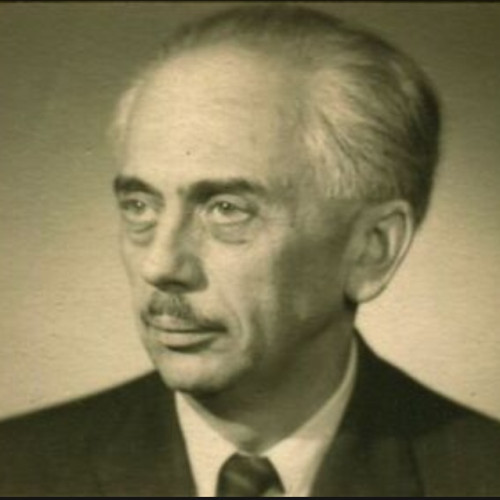
A Czech doctor of Jewish origin who treated the sick in the Łódź Ghetto and concentration camps. After the war, he devoted himself to helping children who had survived the camps.
A descendant of a German family of Jewish origin that had settled in the Czech lands, he was a doctor practicing in his native Prague. After Czechoslovakia was occupied by the Third Reich, he was stripped of his medical license and had to make a living from manual labor. He also treated Jewish patients, which he did in secret and free of charge.
In the autumn of 1941, he was sent to the Łódź Ghetto together with his wife and mother-in-law. As a doctor, he was assigned to a Roma camp, where he survived a typhus epidemic. Owing to this experience, in November 1943 he avoided deportation to the Kulmhof extermination camp in Chełmno nad Nerem. Instead, he was sent to the German camp for Polish children at Przemysłowa Street in Łódź (Polen-Jugendverwahrlager der Sicherheitspolizei in Litzmannstadt), where typhus was spreading rapidly. Thanks to the dedication of Emil Vogl, the outbreak was contained. Risking his own life, he organized the smuggling of missing medicines. In August 1944, he was deported to KL Auschwitz, and then to other camps.
After the end of the war, he returned to Prague, where he learned about the death of his wife and other close family members. At the time, Přemysl Pitter and Olga Fierzová launched so-called Akce Zámky, a humanitarian initiative whose goal was to help children of various nationalities returning from concentration camps. More than 800 children, including about 25 Jewish children of Polish nationality, received specialist help. “Akce Zámky” continued until 1947. Emil Vogl became engaged in these activities as early as June 1945 and helped the children for the next two years, treating them in centers located in the vicinity of Prague.
Until 1969, he worked as a doctor in state-owned health facilities. He also applied himself to musical studies, with a special focus on the lute; numerous old lute compositions were preserved through his efforts. He passed away on 3 June 1977 in Prague.
“When my brother Jerzy was in the camp infirmary, he received secret treatment from doctor Fogel [Vogl], who brought him medicine from the ghetto, handed over to him by a boy prisoner [...]. Had we been caught, I would have been shot or tortured to death together with the doctor and the prisoner, whose name was Edmund Kijas.”
Testimony of Gertruda Skrzypczak née Nowak of 28 January 1968, Archive of the Institute of National Remembrance, GK 165/379, vol. 11, Concentration camp for juveniles in Łódź, p. 124v
Photo of Emil Vogl at the top of the page: Private archive of the Teichmann
family.
See also
- Anton Parfeniuk (1890–1947) Lubow Parfeniuk (1903–1967)

awarded
Anton Parfeniuk (1890–1947) Lubow Parfeniuk (1903–1967)
The Parfenyuks produced the best cottage cheese and cream in Kisielin. The land of Volhynia had been especially favorable to them, and, in addition to milk and dairy products, the family also traded in agricultural produce.
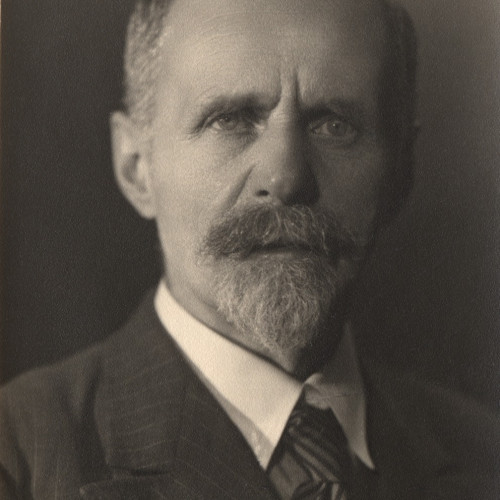
- prof. Władysław Konopczyński (1880—1952)
awarded
prof. Władysław Konopczyński (1880—1952)
After the Warsaw Uprising, among the crowds expelled from the burning city were the family of a Polish-Jewish historian, Ludwik Widerszal. Konopczyński offered shelter in Młynik until the end of the war.
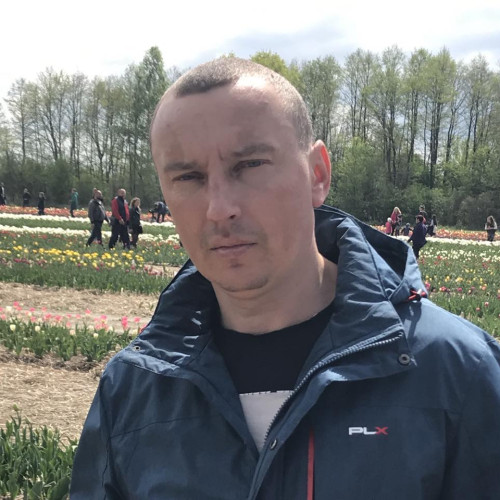
- Wołodymyr Kryżuk
awarded
Wołodymyr Kryżuk
Since the early 2000s, he has been helping Poles who travel to look after the graves of the victims of the massacre carried out by members of the Ukrainian Insurgent Army (faction of the Organization of Ukrainian Nationalists).