Lorna Bale - Instytut Pileckiego
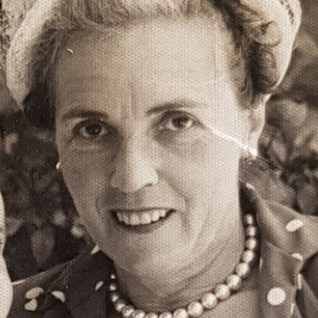
President of the Polish Army League in New Zealand. During World War II, she actively engaged in helping Polish soldiers and children.
From her early youth, she engaged in social work. During the Second World War, she was actively involved in aiding soldiers and victims of the conflict. In Palmerston North, where she lived, she became the chair of the United Guild, an association of local women that made clothing for civilians and war refugees. Hundreds of garments were delivered to a center in Pahiatua, where Polish children – mostly orphans from families exiled to Siberia – found refuge in October 1944.
In 1941, Lorna Bale and Ann Jacques participated in a meeting with Maria Wodzicka, the delegate of the Polish Red Cross in New Zealand and the wife of Kazimierz Wodzicki, the Polish Consul in Wellington. It was then that the women learned more about the plight of Polish soldiers serving on the front lines. They decided to take action and, accordingly, established the Polish Army League on 14 December 1941. The association aimed to support Poles fighting alongside New Zealanders. Lorna Bale headed the organization until 22 May 1945. She arranged meetings for the members and coordinated the dispatch of parcels and mail. Speaking before New Zealand women’s patriotic organizations, she encouraged her audiences to join the ranks of the Polish Army League. In May 1945, when Bale stepped down as chair, the association had approx. 6,000 members. Parcels and letters reached almost 8,000 Polish soldiers fighting on the front and recovering in hospitals. The Polish Army League ceased its operations in 1946.
After the end of the war, Lorna Bale withdrew from public life and devoted herself to her family. She died on 17 September 1978 in Masterton.
“The care provided by members of the Polish Army League to soldiers on the front – who long for kind, heartfelt words, having received no news from their loved ones for years – is highly beneficial and welcome. The Polish Army League, which devotes all its attention and efforts to the welfare of Polish soldiers, deeply touches their hearts, thereby boosting morale, which is of such great importance in times of war.”
Letter from Captain Adam Kubaczka of the 3rd Carpathian Rifle Division, dated 28 February 1945, offering best wishes on the occasion of the 3rd anniversary of the establishment of the Polish Army League, Ian Matheson City Archives in Palmerston North, Polish Army League, Series 2, Folder 1, Correspondence
Photo of Lorna Bale at the top of the page: from the Bale family's private archive.
See also
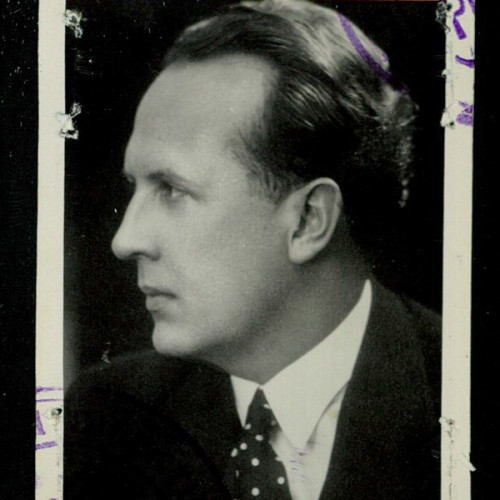
- Stefan Jan Ryniewicz (1903—1988)

awarded
Stefan Jan Ryniewicz (1903—1988)
He was the deputy to Aleksander Ładoś. Ryniewicz’s role was to provide diplomatic security to the whole operation.
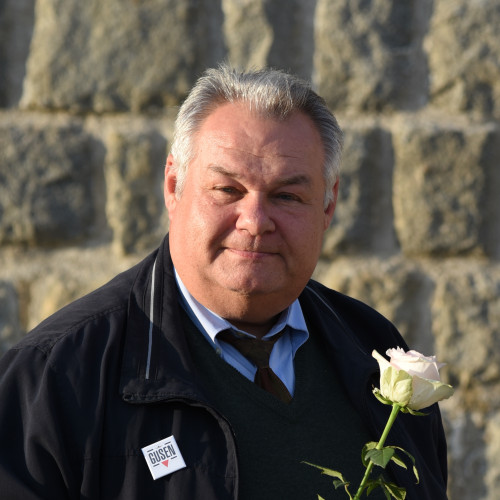
- Rudolf Haunschmied (1966)
awarded
Rudolf Haunschmied (1966)
As a six-year-old boy growing up near Gusen, Rudolf Haunschmied learned that during the Second World War the village had been the location of a German Nazi concentration camp.
- Semen Biliczuk
awarded
Semen Biliczuk
(1890–1944)Jews, Ukrainians, Poles – the population of the prewar village of Kisielin [now Kysylyn] [now Kysylyn] was characterized by a vivid mosaic of ethnic and religious groups. The leader of such a community had to be able to find a common ground with everyone.