dr Juliusz Kühl (1913—1985) - Instytut Pileckiego
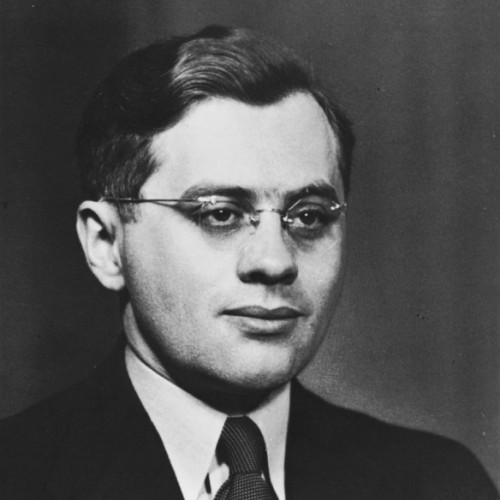
As a member of the Ładoś Group, he was responsible for acquiring Latin American passports in blanco and for contacting Jewish organizations.
Juliusz Kühl was from a family of Orthodox Jews. Born in Sanok, he went to Switzerland in 1929 in order to study at the University of Bern. He began cooperating with the Polish embassy in Bern while working on his doctorate on Polish-Swiss trade relations, thanks to which he became employed there as a consular official after the outbreak of the Second World War.
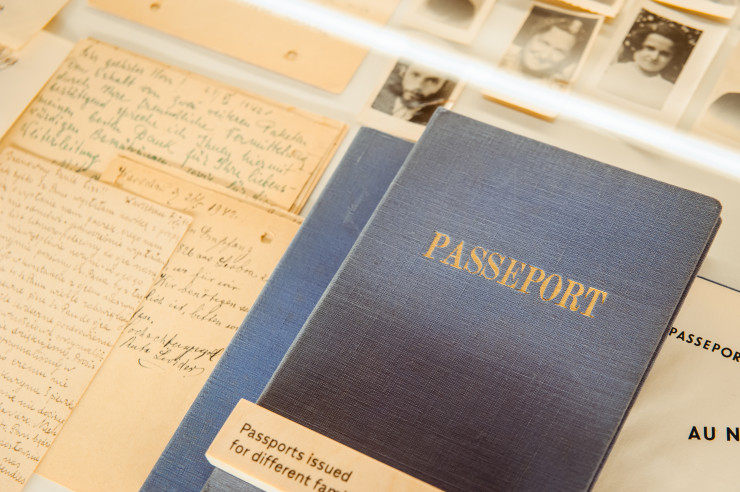
American passports in blanco and for contacting Jewish organizations. Switzerland did not recognize his diplomatic status until the end of the war and he was twice interrogated by the Swiss police in charge of the investigation into the illegal passports. He remained in Switzerland after the war. He left for Canada in 1949 and moved to the USA in 1980, where he died in 1985.
THE ŁADOŚ GROUP
The Ładoś Group, also called the Bernese Group, comprised Polish diplomats, employees of the Polish embassy in Bern, and representatives of Jewish organizations cooperating with them. The group was led by the Polish embassy’s chargé d’affaires Aleksander Ładoś. In addition to him, three other Polish diplomats at the embassy were also members of the group: Stefan Ryniewicz, Konstanty Rokicki and Juliusz Kühl, as well as two activists from Jewish organizations in Switzerland: Abraham Silberschein and Chaim Eiss.
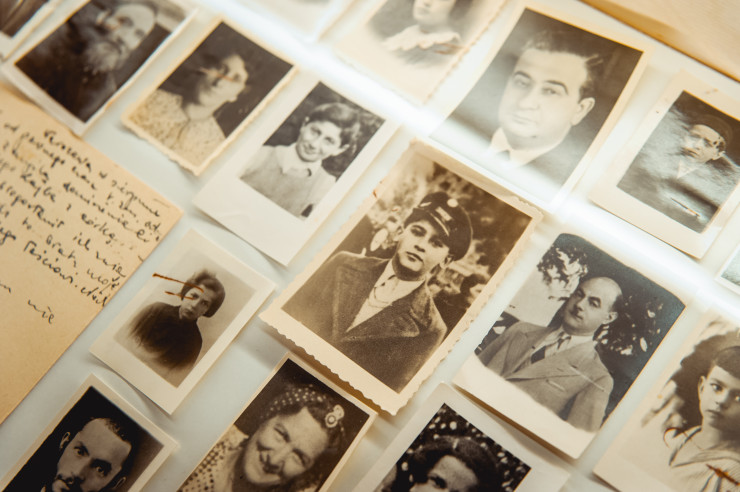
During the Second World War, the group illegally issued Latin American (mainly Paraguayan) passports. The operation was initially intended for Jews in the ghettos of occupied Poland, but over time the passports were sent to other countries such as the Netherlands. Issuing these passports to Jews greatly increased their chances of survival — the documents meant their bearers might be sent for internment instead of extermination. It is estimated that the group issued passports for up to 10,000 people.
See also
- Svensson Bernacka Walborg

awarded
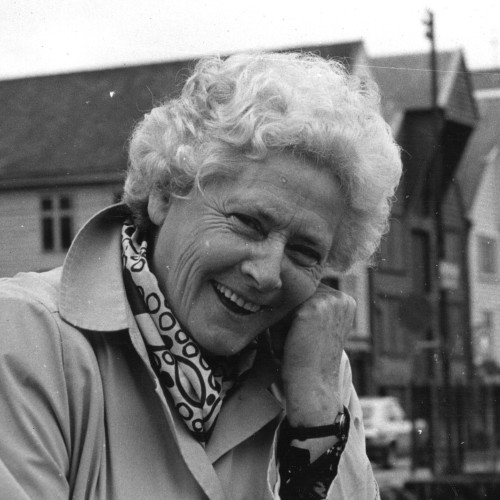
Svensson Bernacka Walborg
(1921–2005)Her first contact with Poles dated back to the Second World War, when she was helping prisoners of the German labor camp in Sandnes, a city located less than 16 kilometers from Stavanger.
- Paul Super
awarded
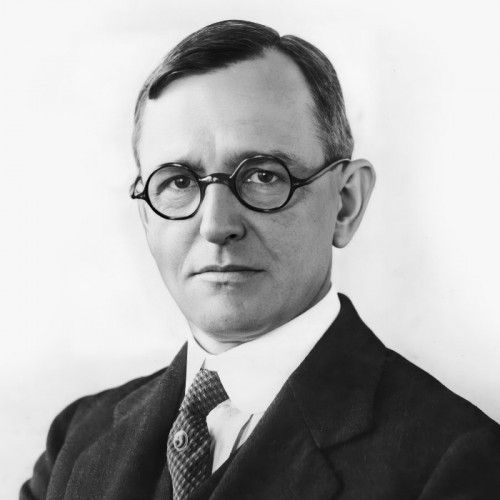
Paul Super
(1880–1949)Paul Super was only supposed to spend eight months in Poland. In 1922, he came to Warsaw with his family to build a local branch of the Young Men’s Christian Association (YMCA).
- Martha Gammer (1947)
awarded
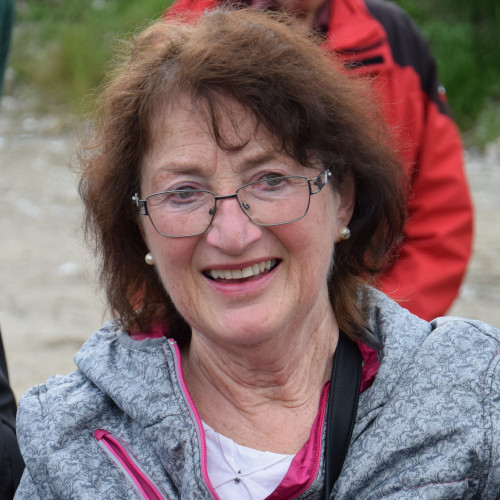
Martha Gammer (1947)
In the 1970s, few people knew that the tunnels excavated in the hills near Gusen were the result of slave labor by prisoners of the German Nazi concentration camp that existed there during the Second World War.